
You may also want to know…
Where is Zhaoxing located, and how do I get there?
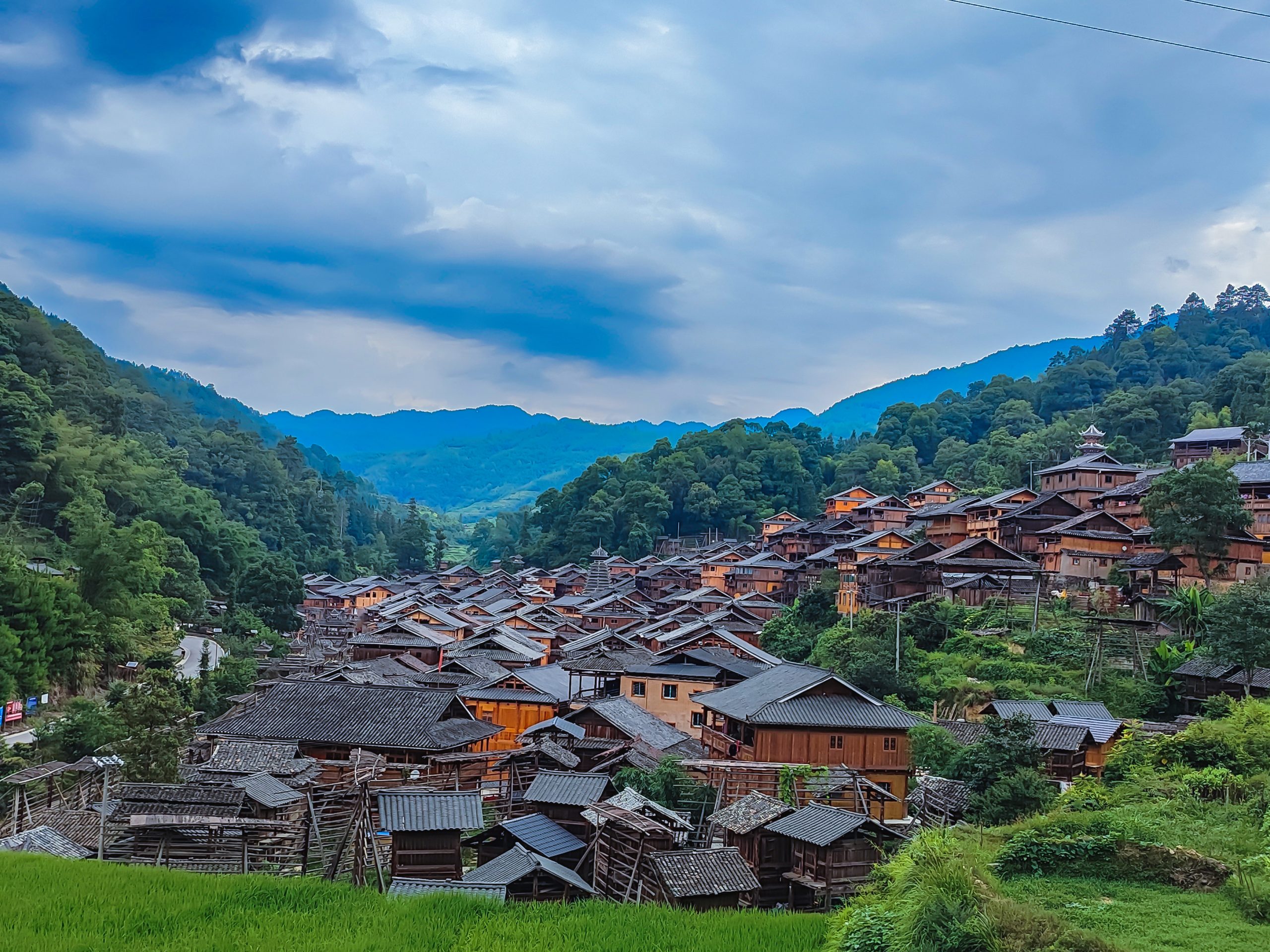
It is the largest Dong village in Guizhou, best reached by high-speed train to Congjiang County, followed by a short bus or taxi ride. For the latest schedules, feel free to contact us.
What are the main things to see in Zhaoxing?
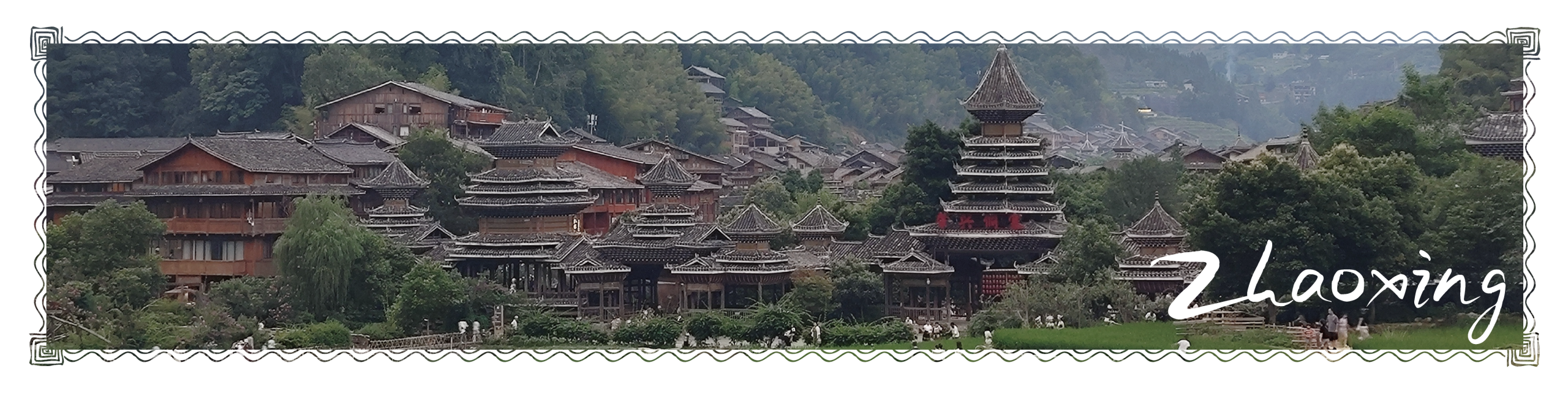
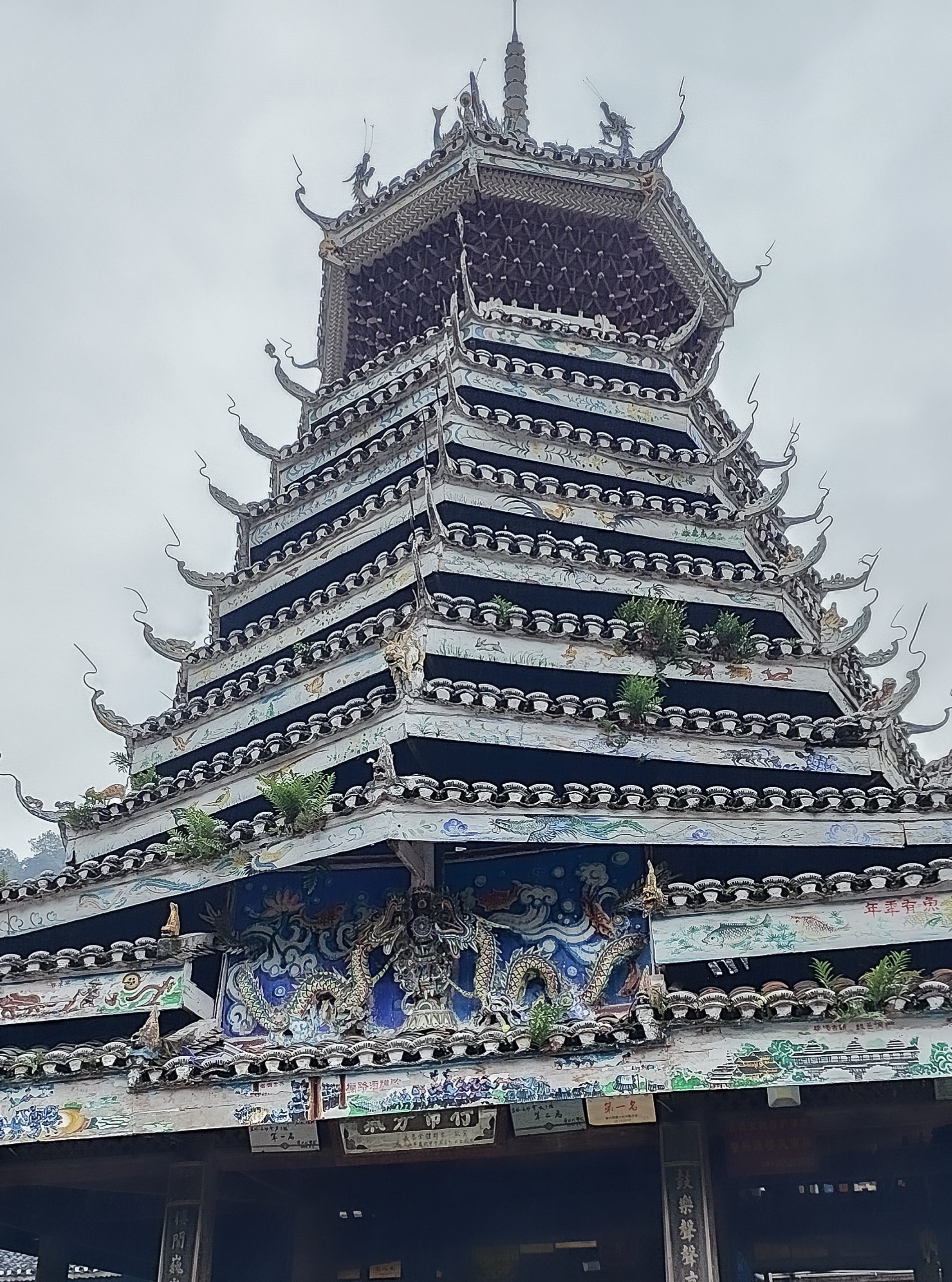
The core sights are its five magnificent drum towers and wind-and-rain bridges. You can easily walk between them to admire the unique Dong architecture and observe local daily life.
What are Zhali and Basha, and how are they different?
Both are nearby ethnic villages. Zhali is known for its long-standing “one child per family” custom, while Basha Miao Village is famous as “China’s Last Gun Tribe” for its unique traditions and hairstyles. They offer very distinct cultural experiences.
How long should I stay, and what is a good itinerary?
A stay of 2 days is ideal. Spend the first day exploring Zhaoxing’s bridges, towers, and alleys. Dedicate the second day to visiting Zhali and Basha with a guide or driver. For help arranging transportation and guides, please contact us.